


Morocco stands as one of the world’s most captivating travel destinations a kingdom where ancient civilizations meet modern sophistication, Saharan deserts border snow-capped mountains, and bustling medieval medinas coexist alongside cosmopolitan coastal cities. Morocco trips offer extraordinary diversity compressed into a single country where travelers can explore four imperial cities, cross the High Atlas Mountains, experience the Sahara Desert’s golden dunes, relax on Atlantic and Mediterranean coastlines, and immerse themselves in Berber, Arab, and Andalusian cultural traditions all within manageable distances. Whether planning week-long escapes or extended explorations, Morocco rewards travelers with sensory richness, architectural splendor, culinary adventures, and human warmth that create lasting impressions defining the meaning of transformative travel.
The Imperial Cities: Morocco’s Cultural Heartland
Morocco’s four imperial cities Marrakech, Fes, Meknes, and Rabat form the backbone of most Morocco trips, each offering distinct historical character and architectural treasures representing different chapters in the kingdom’s complex story.
Marrakech, the Red City, captivates from arrival with ochre-colored buildings glowing in desert light, the perpetual energy of Jemaa el-Fnaa square, and labyrinthine souks where centuries-old craftsmanship meets contemporary commerce. The Koutoubia Mosque’s minaret dominates skylines while the Bahia Palace showcases 19th-century residential splendor through intricate tilework and carved cedar ceilings. The Majorelle Garden vivid cobalt blue against botanical greenery provides meditative respite from medina chaos. Marrakech serves most Morocco trips as essential starting or ending points, providing international connectivity and comprehensive infrastructure while delivering experiences that reward both brief visits and extended exploration.
Fes represents Morocco’s spiritual and intellectual heart, where Al-Qarawiyyin University founded in 859 CE and recognized as the world’s oldest continuously operating educational institution anchors a medieval medina containing over 9,000 alleys creating three-dimensional labyrinths transporting visitors centuries backward. The Chouara Tannery’s dyeing vats, Bou Inania Madrasa’s architectural perfection, and artisan quarters where craftsmen maintain unchanged medieval traditions make Fes essential on serious Morocco trips.
Meknes demonstrates imperial ambition through Sultan Moulay Ismail’s grandiose 17th-century constructions massive walls, ornate Bab Mansour gate, and royal stables designed for 12,000 horses. Nearby Volubilis, Morocco’s best-preserved Roman ruins with exceptional mosaic floors, adds historical depth unavailable elsewhere in the country.
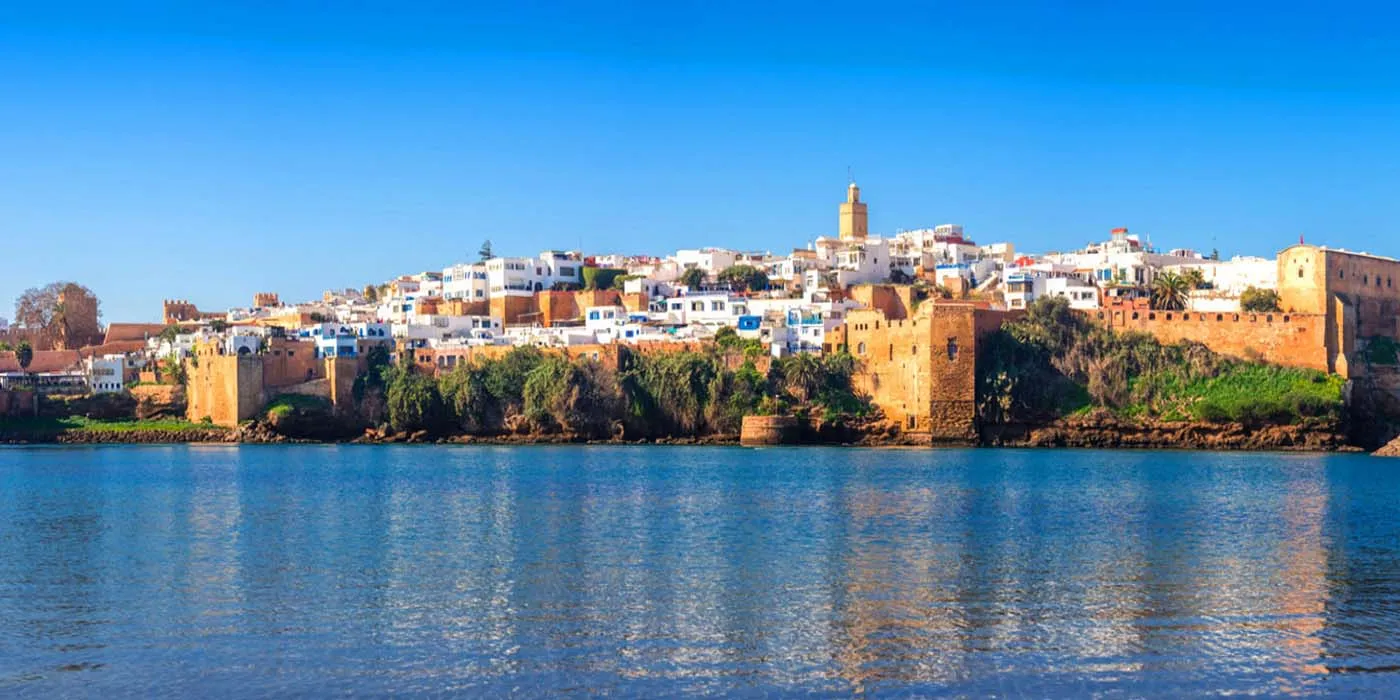
Rabat, Morocco’s political capital, surprises visitors with sophisticated atmosphere, World Heritage architecture, and the magnificent Hassan Tower alongside Mohammed V Mausoleum. Less touristy than Marrakech or Fes, Rabat reveals contemporary Moroccan identity balancing traditional values with modern governance.
Desert Adventures: The Sahara Experience
No Morocco trip feels complete without encountering the Sahara Desert’s magnificent landscapes. The journey from Marrakech or Fes toward the desert unfolds as compelling adventure in itself crossing the High Atlas Mountains via Tizi n’Tichka Pass, exploring UNESCO-listed Aït Benhaddou, traversing the Valley of Roses, and navigating spectacular Dades and Todra Gorges before reaching Erg Chebbi’s towering dunes near Merzouga.
The desert experience layers authentically. Arriving at dunes’ edges during golden afternoon light, mounting camels for sunset rides into the sand sea, spending nights at traditional camps under star-saturated skies, witnessing sunrise transform dunes through purple, rose, and golden progressions these sequential experiences create memories defining Morocco trips above all others. The Sahara’s scale, silence, and beauty confront travelers with nature’s power while connecting them to nomadic traditions maintaining desert wisdom accumulated over millennia.
Erg Chigaga near M’Hamid offers alternative experiences for travelers seeking greater authenticity and remoteness. This less-accessed dune field requires longer journeys but rewards determination with genuine wilderness encounters where human presence feels genuinely minimal rather than managed.
The Blue Pearl and Coastal Discoveries
Morocco’s coastline delivers diverse experiences complementing interior adventures. Chefchaouen, the legendary Blue Pearl nestled in Rif Mountain foothills, draws visitors worldwide with buildings painted in countless blue shades creating photogenic dreamscapes around every corner. The medina’s relaxed atmosphere contrasts dramatically with Marrakech or Fes intensity, offering leisurely exploration, excellent handicraft shopping, and mountain scenery providing perfect trekking opportunities.
Essaouira, the Atlantic coastal town with strong Portuguese, Berber, and Jewish influences, provides windswept beaches, vibrant music scenes, and a distinctive blue-and-white aesthetic unlike any other Moroccan city. This creative hub attracts artists, musicians, and travelers seeking alternatives to imperial city bustle. The Gnawa World Music Festival transforms Essaouira annually into celebration of extraordinary musical traditions blending African rhythms with Arabic and Berber influences.
Tangier, where Africa meets Europe across the Strait of Gibraltar, fascinates through its unique geopolitical position and cosmopolitan character shaped by decades as international zone. The literary heritage William Burroughs, Paul Bowles, and Allen Ginsberg all lived here adds bohemian romance, while the Kasbah’s panoramic views toward Spain provide tangible sense of continental proximity.
Culinary Adventures: Morocco’s Sensory Richness
Morocco trips deliver gastronomic adventures as memorable as architectural or natural wonders. Moroccan cuisine represents North Africa’s most sophisticated culinary tradition a complex fusion of Berber, Arab, Andalusian, Ottoman, and French influences creating flavor profiles simultaneously familiar and entirely distinctive.
Tagines slow-cooked stews prepared in conical earthenware vessels vary dramatically by region. Marrakech’s tangy preserved lemon and olive chicken tagines differ fundamentally from Fes’s elaborate sweet-savory combinations incorporating dried fruits and aromatic spices. Seafood tagines along Atlantic and Mediterranean coasts utilize fresh catches with Mediterranean herb profiles. Understanding regional variations transforms eating from refueling into cultural education.
Couscous represents Morocco’s national dish semolina steamed over fragrant broth served with vegetables and meat on Fridays when families gather for communal meals. The best couscous experiences occur in private homes or small traditional restaurants where recipes follow family traditions spanning generations.
Street food culture enriches Morocco trip experiences considerably. Msemen (layered flatbreads), harira soup (tomato and lentil base), bessara (fava bean purée), and brochettes (spiced meat skewers) provide authentic, affordable tastes. Marrakech’s Jemaa el-Fnaa transforms nightly into enormous outdoor restaurant where dozens of stalls serve traditional dishes amid entertainment creating sensory overload that defines Moroccan street food culture.
Moroccan mint tea ceremony transcends beverage preparation into hospitality ritual. The elaborate pouring process raising teapots high to create foam, serving three glasses representing life, love, and death demonstrates how Morocco elevates everyday acts into cultural expressions worth understanding rather than photographing merely for social media consumption.
Accommodation Diversity: From Riads to Desert Camps
Morocco trips benefit from extraordinary accommodation diversity where properties themselves become travel highlights. Traditional riads townhouses built around central courtyards define Moroccan hospitality, transforming crumbling medina buildings into intimate hotels where architecture, decoration, and service create immersive cultural experiences. The best riads in Marrakech and Fes offer rooftop terraces with city views, candlelit dinners in courtyard gardens, and personalized service impossible in large international hotels.
Desert camps range from basic Berber-style tents delivering authentic nomadic experiences to luxury establishments featuring proper beds, en-suite bathrooms, and gourmet cuisine. The contrast between sophisticated desert luxury and surrounding wilderness creates uniquely Moroccan juxtapositions where adventure and comfort coexist in ways satisfying both pragmatic travelers and experience-seeking romantics.
Boutique coastal properties in Essaouira and Agadir provide refreshing contrasts after intense medina or desert experiences. These contemporary properties blend Moroccan aesthetic traditions with international design sensibilities, creating stylish retreats where Atlantic breezes and swimming pools provide restorative relaxation.
Practical Planning for Morocco Trips
Successful Morocco trips reward thoughtful preparation. The country’s internal transportation network has improved dramatically modern highways connect major cities, train services link Casablanca, Rabat, Fes, and Marrakech efficiently, and domestic flights reduce journey times significantly. However, reaching remote destinations like Merzouga or M’Hamid requires private vehicles or organized tours, making transport planning essential for comprehensive itineraries.
The best Morocco trip durations balance comprehensive coverage against vacation time realities. Seven days allows basic highlights Marrakech, Fes, and brief desert exposure while 10-14 days permits relaxed exploration adding coastal destinations, complete desert immersion, and Chefchaouen. Month-long trips reward slow travelers who discover that Morocco’s depth reveals itself gradually through repeated interactions with places, foods, and people encountered multiple times across extended visits.
Seasonal timing significantly impacts experiences. Spring (March-May) and autumn (September-November) provide optimal weather with moderate temperatures throughout the country comfortable for city exploration, mountain crossing, and desert activities. Summer (June-August) brings extreme desert heat though coastal areas remain pleasant. Winter (December-February) offers comfortable conditions in cities and desert while mountain passes may close occasionally due to snowfall.
Cultural sensitivity enhances Morocco trip experiences immeasurably. Understanding Islamic customs modest dress particularly in religious sites and rural areas, respectful behavior during prayer times, appropriate photography permissions demonstrates respect that locals reciprocate with extraordinary warmth and hospitality. Learning basic Arabic or Berber phrases transforms interactions from transactional exchanges into genuine human connections.
Conclusion
Morocco trips represent journeys into one of the world’s most multidimensional travel destinations where ancient traditions and contemporary realities coexist in fascinating tension. From Marrakech’s vibrant chaos to the Sahara’s profound silence, from Fes’s medieval labyrinth to Chefchaouen’s dreamy blue alleyways, from tagine steam rising over communal meals to mint tea ceremonies expressing hospitality’s true meaning, Morocco delivers experiences engaging every sense and challenging every preconception. The country’s geographical diversity, cultural richness, culinary sophistication, and architectural magnificence combine creating trips that satisfy first-time visitors while revealing new dimensions with each return journey. For travelers seeking destinations that genuinely transform rather than merely entertain, Morocco represents the Mediterranean world’s most rewarding adventure.
Key Takeaways
Imperial City Diversity: Morocco’s four imperial cities Marrakech, Fes, Meknes, and Rabat each offer distinct historical characters and architectural treasures representing different chapters in Morocco’s story, making comprehensive exploration essential for understanding the kingdom’s cultural complexity.
Desert Experience Essential: The journey to Erg Chebbi’s dunes near Merzouga, encompassing High Atlas crossings, ancient kasbahs, dramatic gorges, and culminating Saharan sunsets from camelback, represents Morocco trips’ most transformative element that no visitor should miss.
Coastal Discoveries: Chefchaouen’s blue medina, Essaouira’s Atlantic character, and Tangier’s cosmopolitan personality provide essential coastal counterpoints to interior adventures, revealing Morocco’s Mediterranean and Atlantic dimensions beyond landlocked imperial city experiences.
Culinary Richness: Tagine variations, couscous traditions, street food culture, and mint tea ceremonies represent cultural education through food, with Moroccan cuisine’s sophisticated Berber-Arab-Andalusian fusion delivering gastronomic adventures rivaling the world’s most celebrated culinary destinations.
Practical Preparation Pays: Thoughtful planning regarding seasonal timing (spring/autumn optimal), accommodation selection (riads for cultural immersion), transportation logistics (private vehicles for remote areas), and cultural sensitivity ensures Morocco trips deliver their extraordinary potential rather than disappointing through easily avoidable mismatches between expectations and realities.