


Introduction
The Nagarkot To Dhulikhel Short Trek is an ideal Himalayan hiking experience for travelers who want to discover the natural beauty and cultural richness of Nepal without committing to a long, high-altitude expedition. Located close to Kathmandu, this short trek combines panoramic mountain views, peaceful forests, traditional villages, terraced farmland, ancient temples, and beautiful hill landscapes.
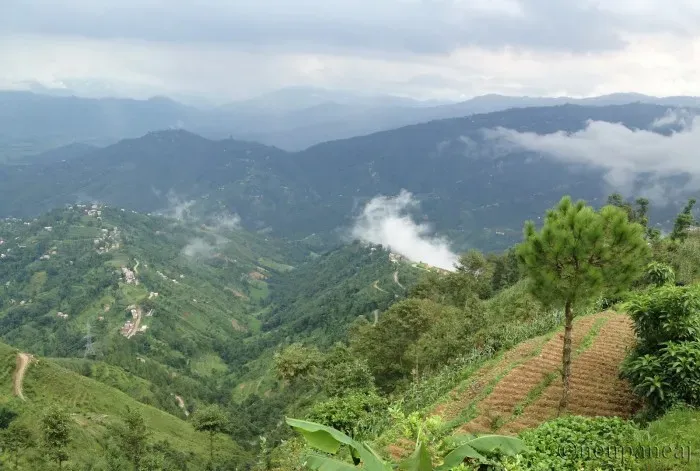
Nagarkot is widely known for its spectacular sunrise and sunset views over the Himalayan range, while Dhulikhel is a charming hill town surrounded by green valleys and mountain scenery. Connecting these two destinations on foot creates an enjoyable journey through rural landscapes that feels far removed from the busy streets of Kathmandu.
The trek is relatively short and does not require the same level of physical preparation as Nepal’s high-altitude trekking routes. However, it still provides a rewarding walking experience for travelers interested in nature, photography, culture, and peaceful Himalayan surroundings.
Why Choose the Nagarkot To Dhulikhel Short Trek?
One of the biggest advantages of the Nagarkot To Dhulikhel Short Trek is its accessibility. The trail is close to Kathmandu, making it convenient for travelers with limited time in Nepal.
Instead of spending several days traveling to a remote mountain region, trekkers can reach Nagarkot relatively quickly and begin their walking adventure from there. The route offers an opportunity to experience Nepal’s countryside without requiring a long domestic flight or complicated transportation arrangements.
The trek also provides a combination of landscapes. Travelers walk through forests, small settlements, farmland, and hilltops while enjoying views of the Himalayan horizon on clear days.
For visitors who have already explored Kathmandu’s cultural attractions, this trek offers a refreshing opportunity to spend time outdoors and experience the quieter side of the Kathmandu Valley region.
Nagarkot: The Starting Point
Nagarkot is one of Nepal’s best-known hill destinations and a popular place for enjoying Himalayan sunrise and sunset views. Situated on a ridge east of Kathmandu, the town provides a broad outlook toward the Himalayan range.
On clear mornings, trekkers may see several snow-covered peaks in the distance. The changing colors of the mountains during sunrise can create excellent opportunities for photography.
Nagarkot itself has a relaxed atmosphere compared with Kathmandu. Visitors can spend a night there before beginning the trek, allowing them to enjoy the sunrise and start walking after breakfast.
The surrounding countryside contains forests and agricultural land, providing an attractive introduction to the walking route toward Dhulikhel.
Highlights of the Nagarkot To Dhulikhel Short Trek
The Nagarkot To Dhulikhel Short Trek offers a variety of natural and cultural attractions. Some of the major highlights include:
-
Himalayan sunrise and sunset views from Nagarkot
-
Peaceful forest trails
-
Traditional villages and rural communities
-
Terraced agricultural landscapes
-
Panoramic views of surrounding hills
-
Opportunities to observe local lifestyles
-
Buddhist and Hindu cultural sites
-
Fresh mountain air and peaceful countryside
-
Scenic viewpoints along the route
-
The charming hill town of Dhulikhel
The route is especially attractive to photographers because the scenery changes continuously. Forest paths, village homes, farmland, distant mountains, and valley views create numerous opportunities for landscape and cultural photography.
Trekking Route and Experience
The exact route can vary depending on the chosen itinerary and trail conditions, but the journey generally begins in Nagarkot and continues through rural settlements toward Dhulikhel.
After leaving Nagarkot, the trail passes through forests and open hill areas. Some sections follow relatively easy paths, while others involve gradual climbs and descents.
As the trek progresses, travelers encounter small villages where traditional houses and agricultural fields provide insight into rural life. Depending on the season, the terraced fields may display different colors and stages of cultivation.
The route eventually moves toward Dhulikhel, with views becoming increasingly open as the trail approaches the hill town.
Although the trek is short, walking through the countryside provides a much deeper experience than simply traveling between the two destinations by vehicle.
Difficulty Level
The Nagarkot To Dhulikhel Short Trek is generally considered an easy-to-moderate hiking experience. It does not reach the extreme elevations associated with Nepal’s major Himalayan trekking routes, making it suitable for many travelers with a reasonable level of fitness.
However, trekkers should still expect uneven trails, uphill and downhill sections, and several hours of walking.
Basic preparation can make the journey more comfortable. Regular walking, light hiking, and stair climbing before the trip can help build endurance.
Comfortable hiking shoes are particularly important because some trails may become slippery after rain.
The trek can usually be completed without specialized mountaineering equipment, but travelers should always consider the season and current trail conditions.
Best Time for the Trek
The best seasons for the Nagarkot To Dhulikhel Short Trek are generally spring and autumn.
Spring, from March to May, brings pleasant temperatures and colorful vegetation. Forests and surrounding hills become particularly attractive during this season, and clear mornings can provide beautiful mountain views.
Autumn, from September to November, is another excellent period. After the summer monsoon, the atmosphere often becomes clearer, improving visibility of distant Himalayan peaks.
Winter can provide crisp mornings and clear views, although temperatures can be cold, particularly early in the day. Warm clothing is recommended.
The summer monsoon brings frequent rainfall, which can make trails muddy and slippery. Clouds can also obscure mountain views. Travelers trekking during the rainy season should carry appropriate waterproof clothing and footwear.
Nature and Scenery
One of the greatest attractions of the trek is its natural environment. Unlike the high-altitude landscapes of Everest or Annapurna, the Nagarkot-Dhulikhel route features green hills, forests, farmland, and subtropical-to-temperate vegetation.
Depending on the season, trekkers may see rhododendrons, pine trees, oak forests, wildflowers, and agricultural crops.
Birdwatchers may also enjoy the route because the forests and rural areas provide habitats for various bird species.
The peaceful natural setting provides a welcome contrast to the busy urban environment of Kathmandu.
Local Culture and Village Life
The Nagarkot To Dhulikhel Short Trek provides a valuable opportunity to experience rural Nepalese culture.
The villages along the trail reflect the diverse cultural traditions found around the Kathmandu Valley. Depending on the route, travelers may encounter communities with Newar, Tamang, and other local cultural influences.
Traditional houses, temples, prayer flags, shrines, and agricultural practices are common features of the countryside.
Walking through villages gives travelers an opportunity to observe everyday life, including farming, livestock keeping, and local trade.
Visitors should remain respectful when interacting with residents. Asking permission before taking photographs and following local customs around religious sites are simple ways to support responsible tourism.
Dhulikhel: The Final Destination
Dhulikhel is a historic hill town and an important destination in the Kathmandu Valley region. It is known for its traditional Newari architecture, cultural heritage, surrounding hills, and Himalayan views.
After completing the trek, visitors can explore the town’s narrow streets, temples, traditional buildings, and viewpoints.
Dhulikhel is also a peaceful place to relax after walking. Travelers can enjoy local food, explore nearby cultural sites, or simply spend time appreciating the surrounding landscape.
The town’s location makes it convenient to continue traveling toward Kathmandu or other destinations in central Nepal.
Accommodation and Food
Accommodation for the Nagarkot To Dhulikhel Short Trek is generally more comfortable than on remote Himalayan trekking routes.
Nagarkot has a wide selection of hotels, guesthouses, and resorts. Travelers can choose accommodation according to their budget and preferences.
Along the walking route, food and accommodation options may be more limited. Depending on the itinerary, trekkers may stop at local restaurants or villages for meals.
Typical Nepali dishes include dal bhat, rice, lentils, vegetables, noodles, soups, momos, and other local foods.
Travelers should carry drinking water and small snacks such as nuts, fruit, chocolate, or energy bars for the walking section.
What to Pack
Because this is a short and relatively low-altitude trek, travelers do not need the extensive equipment required for high Himalayan expeditions.
Useful items include:
-
Comfortable hiking shoes
-
Lightweight backpack
-
Water bottle
-
Light rain jacket
-
Comfortable walking clothes
-
Warm layer for mornings and evenings
-
Sunglasses
-
Sunscreen
-
Hat or cap
-
Personal medication and basic first-aid supplies
-
Camera or smartphone
-
Power bank
-
Small snacks
During the monsoon, waterproof clothing and a rain cover for the backpack are particularly useful.
Responsible Trekking Practices
Responsible tourism is important even on short treks. Travelers should avoid leaving plastic bottles, food packaging, or other waste along the trail.
Using reusable water bottles and minimizing single-use plastics can reduce environmental impact. Trekkers should also remain on established paths and avoid damaging farmland or vegetation.
Supporting local restaurants, guesthouses, guides, and community businesses helps ensure that tourism contributes to the local economy.
Cultural respect is equally important. Religious monuments, temples, shrines, and prayer flags should be treated with care.
Safety Tips
Although the trek is relatively accessible, basic safety precautions should still be followed.
Check the weather before starting the walk, particularly during the monsoon season. Carry sufficient drinking water and avoid walking alone on unfamiliar trails.
A local guide can be helpful for travelers unfamiliar with the area, particularly if they want to explore less-used paths or learn more about local culture.
Wear suitable footwear because some sections can become slippery after rain. It is also wise to begin walking early enough to reach Dhulikhel comfortably before evening.
Travelers should keep their phones charged and carry emergency contact information.
Conclusion
The Nagarkot To Dhulikhel Short Trek is an excellent choice for travelers who want to experience Nepal’s natural beauty and rural culture without undertaking a demanding high-altitude expedition. Its convenient location, peaceful trails, mountain views, traditional villages, forests, and terraced fields make it a rewarding short adventure.
Beginning with the spectacular landscapes of Nagarkot and ending in the historic hill town of Dhulikhel, the trek provides a wonderful combination of nature, culture, and outdoor activity. The journey allows travelers to move beyond Nepal’s busy urban centers and experience the everyday landscapes and communities that surround the Kathmandu Valley.
With comfortable walking shoes, appropriate seasonal clothing, sufficient water, and a flexible itinerary, most reasonably fit travelers can enjoy this scenic journey. Spring and autumn are particularly attractive for favorable weather and mountain visibility, while careful preparation makes the route enjoyable during other seasons as well.
For visitors with limited time in Nepal, the Nagarkot To Dhulikhel Short Trek offers an accessible way to experience the country’s beautiful hills, local culture, and Himalayan atmosphere. It may be a short trek, but the combination of peaceful trails, scenic landscapes, village life, and panoramic views can create lasting memories of Nepal.